The roots of Vedic tradition in India - the case of the sacred Ashvattha tree
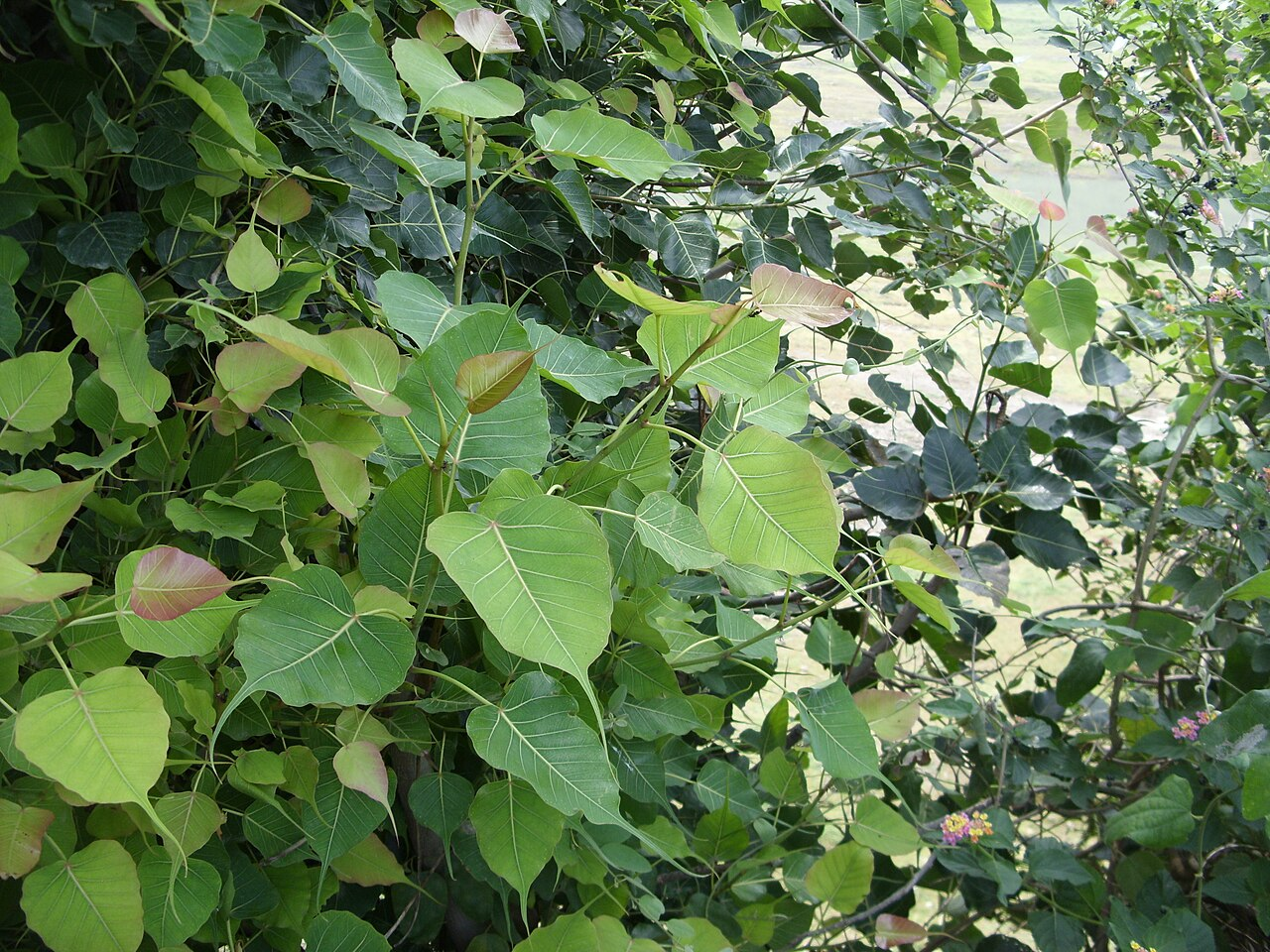
T he sacred fig tree (ficus religiosa) known as peepal or the Ashvattha tree in Sanskrit is native to the Indian subcontinent and is among the most sacred trees of India. It is said that the Gods reside in different parts of this tree. In the Bhagavad Gita 10.26, Lord Sri Krishna mentions that among the trees he is known as the Ashvattha. It is also under this tree where prince Siddhartha Gautama attained enlightenment and became the Buddha, or the awakened one, and hence the tree is also known as the Bodhi tree or tree of awakening. Thus, the Ashvattha tree has an important place in the Dharmic Indian cultures. Leaves of the sacred Ashvattha tree. Source: Wikimedia This significance of Ashvattha can be traced all the way back in the ancient Vedic literature. In the Rig Veda, Gods like Indra and Vayu are associated with the Ashvattha tree, and ritual offerings are performed near it. Ride hither to the offering of the pleasant juice, the holy Fig-tree which victor...